Is Morocco safe? Yes, Morocco is a popular destination for visitors, including solo travellers and families. For most tourists, the more likely difficulties are petty theft, unwanted attention or a frustrating scam rather than a violent incident. Risks still exist, so a few sensible habits and up-to-date travel advice matter.
We’re a local tour operator led by Hassan Mazoz, a Moroccan guide. We help visitors navigate the practical details, but no guide or tour can remove every risk. Here is what to expect and how to prepare.
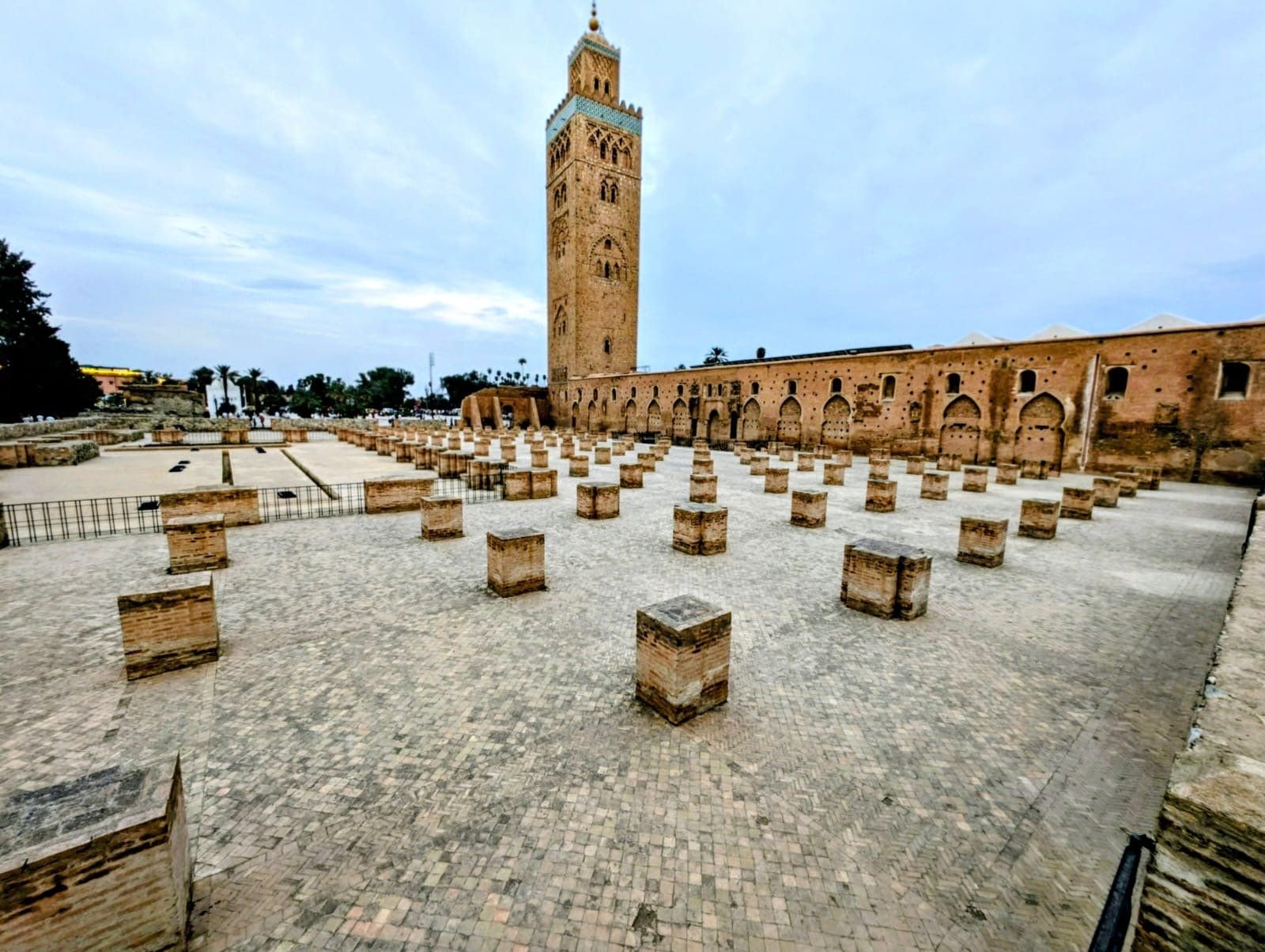
The Koutoubia Mosque courtyard in Marrakech. Stay aware of your surroundings in busy public places, as you would in any major city.
What does safety in Morocco actually look like?
In busy tourist areas, the day-to-day concerns are often things like pickpocketing, bag-snatching, persistent sales approaches and unofficial guides offering directions. A small number of visitors also experience more serious crime, so it would be misleading to say there is no risk.
Keep your bag closed and close to you, and avoid displaying valuables or carrying more cash than you need. In medinas, use a guide with an official badge if you want a guided visit. If someone offers unsolicited help or directions, you can politely decline and ask your accommodation or a guide you have arranged.
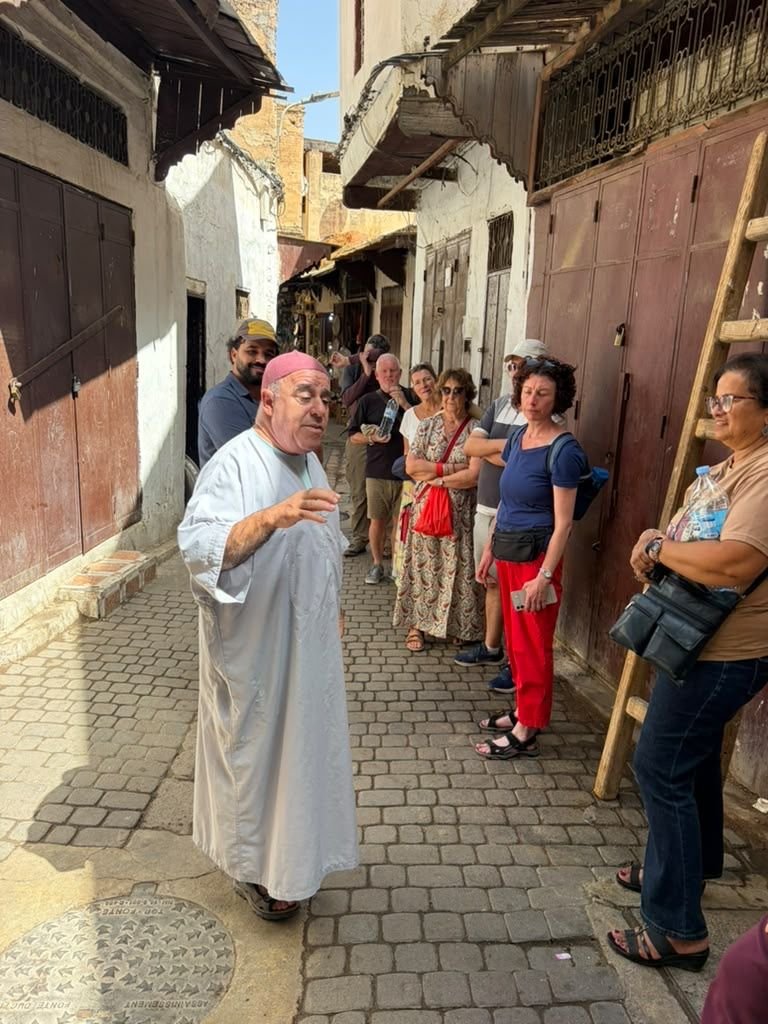
A guided walk in a Moroccan medina can make it easier to understand the lanes and find your way.
The UK Foreign, Commonwealth & Development Office (FCDO) also advises visitors to stay alert, particularly in crowded places, and to avoid demonstrations. Check your own government’s current travel advice before departure; assessments and local conditions can change.
Is Morocco safe for women?
Many women travel around Morocco, including on their own. Solo female travel can be a rewarding experience, but unwanted attention, comments or persistent approaches can happen, especially in busy places or when travelling alone.
Dress that covers your shoulders and knees is a practical choice in many settings and can reduce unwanted attention, though it cannot guarantee that nobody will approach you. Our guide to what to wear in Morocco has more detail. You do not generally need to cover your head while walking around town; dress requirements can differ at religious sites.
If someone is making you uncomfortable, a short, firm “no, thank you” is often enough. Move towards a shop, café or other busy place rather than continuing an unwanted conversation. At night, consider arranging transport or walking with someone you trust. For a first evening in a medina, a local guide can also help you learn the route back to your riad.
Is it safe to travel alone in Morocco?
Yes, many people travel independently. Plan your first arrival and accommodation transfer in advance, save your riad’s address and phone number, and keep a map available offline. In medinas, lanes can be confusing, so ask your accommodation or an official guide for directions rather than following a stranger who approaches you.
For transport, use a licensed taxi from an official stand where possible. Confirm that the meter is on, or agree the fare before setting off. Take extra care late at night and avoid getting into a vehicle if you feel uncomfortable.
A private driver can be useful for journeys between cities, the mountains or the desert, especially if you would rather not navigate long routes yourself. It does not mean every moment needs to be guided: you can still choose quiet time to explore independently. If you have a week, our 7-day Morocco itinerary keeps the driving sensible, and the 10-day Morocco itinerary adds the desert without long days in the car.
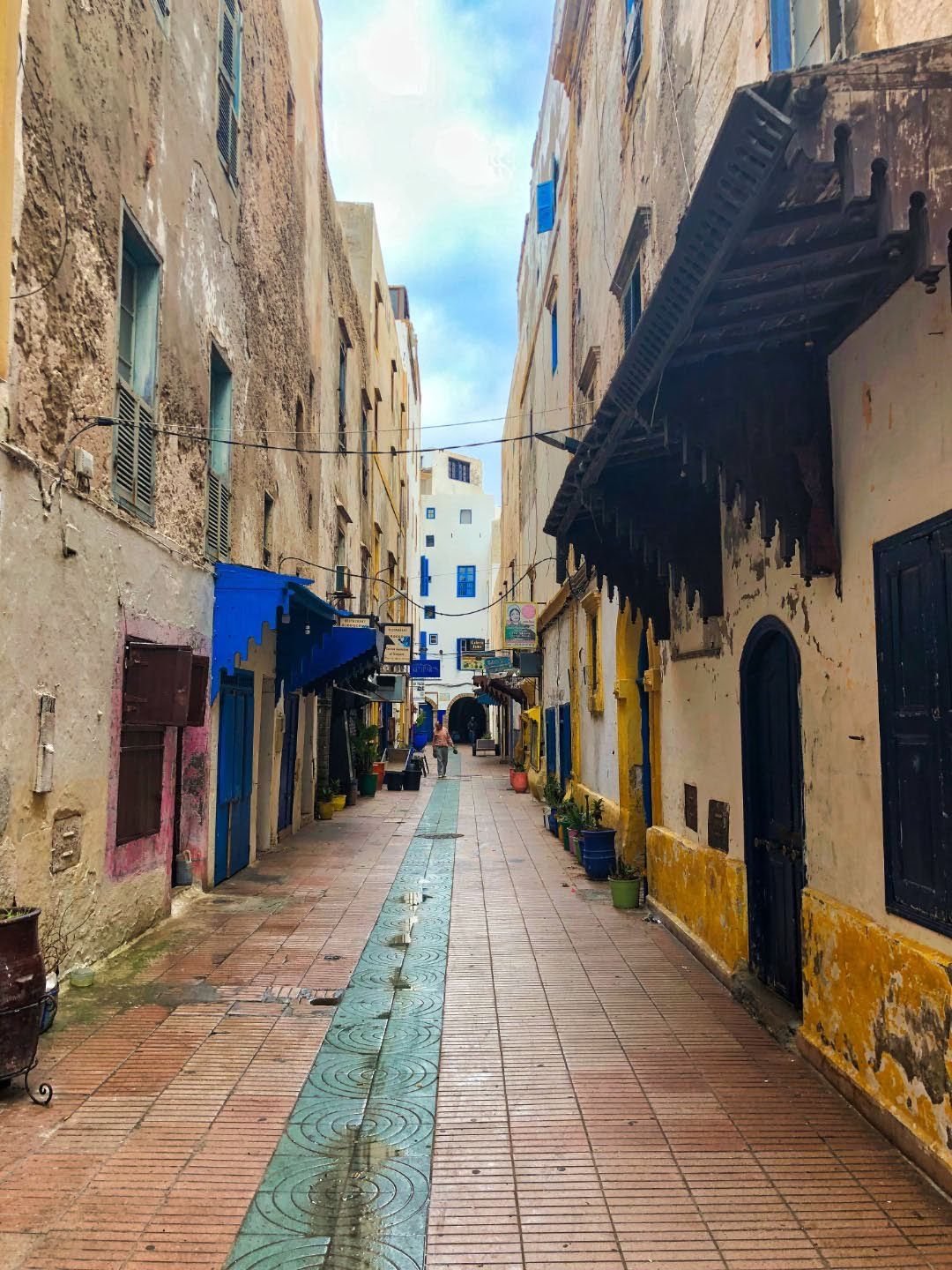
Essaouira’s medina is best explored at your own pace. Keep your accommodation address handy if you are finding your way back.
Morocco safety tips by situation
Walking in a medina at night
Choose busy, well-lit routes and avoid isolated lanes. If you are unsure where you are, step into a shop or café and check directions with staff, or contact your accommodation. In Marrakech, motorbikes may pass through narrow streets; keep to the side and hold bags away from the road. Our guide to things to do in Marrakech walks through the medina in daylight, which is a good way to learn the lanes. Smaller medinas are calmer: the blue lanes of Chefchaouen are easy to explore on foot.
Taxis and getting around
Use licensed, clearly marked taxis or transport arranged by your accommodation or operator. Agree a fare in advance if there is no meter, or ask for the meter to be used. App-based rides are not automatically safer: check that the service and vehicle are licensed and appropriate for the city.
Desert and mountain journeys
Distances in Morocco can be longer than they look on a map. Mountain roads may be narrow and winding, and weather can affect conditions. Avoid driving unfamiliar mountain routes after dark, check local advice before setting out, and leave time for breaks. Our drivers know the routes and can plan realistic days, with stops rather than a rushed dash between destinations.
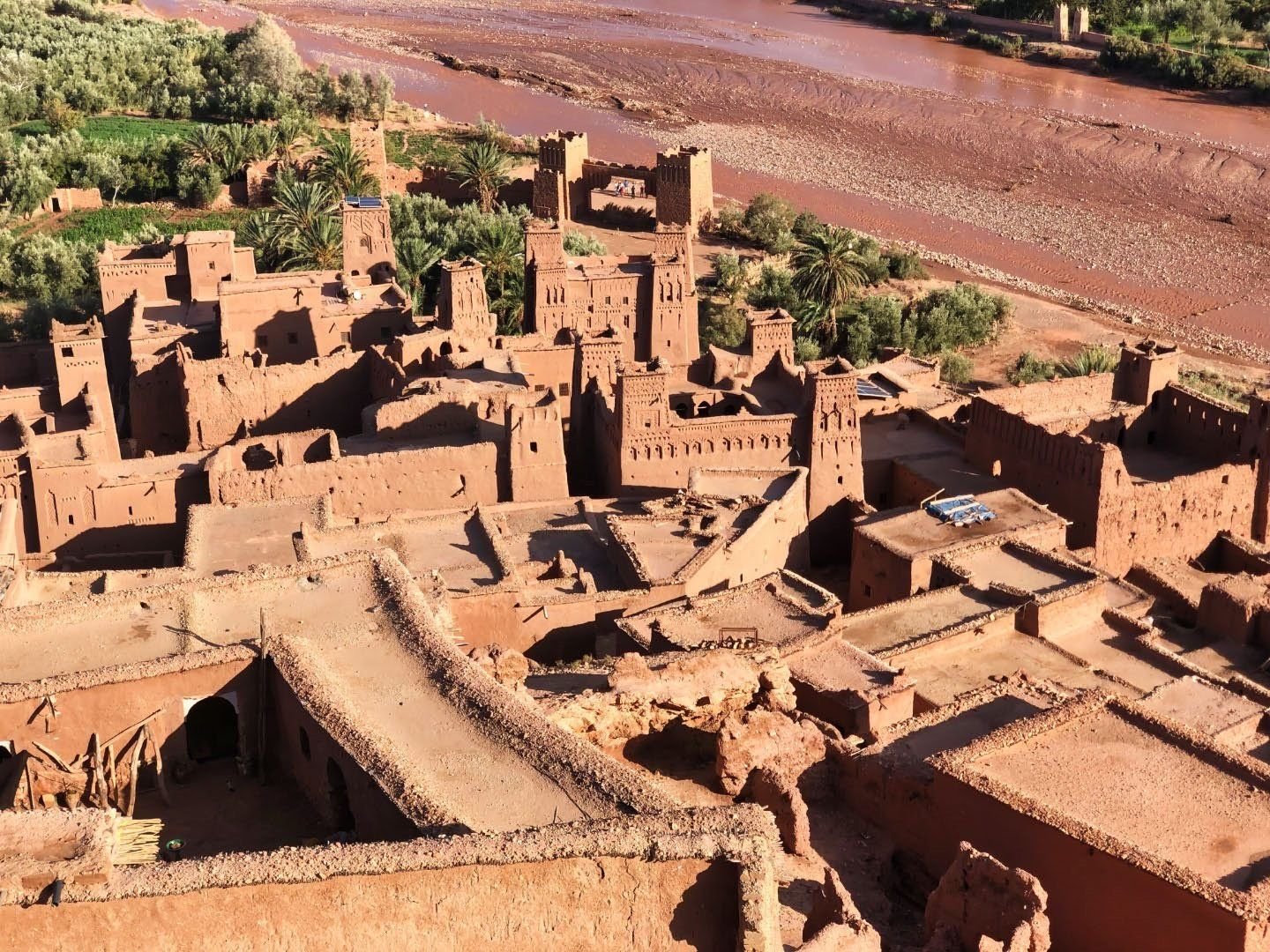
Ait Benhaddou is one of the memorable stops on a southern Morocco route. Allow time for the drive and the visit.
Food and drinking water
Choose food that is freshly cooked and served hot, and drink sealed bottled water if you are unsure about local water. If you have allergies, explain them clearly and check how a dish is prepared; ingredient information and kitchen practices can vary.
ATMs and money
Use ATMs in busy, well-lit locations, preferably inside or beside a bank. Shield your PIN, put cash away before leaving the machine and carry only what you need for the day. Keep cards and spare cash in separate places.
Scams and persistent approaches
A few situations catch visitors off guard:
- Unrequested henna or other services: agree the price before accepting, or decline clearly.
- “Your hotel is closed” claims: do not follow someone to a different hotel or shop. Contact your accommodation directly.
- Unofficial guides: ask for an official badge, or decline and use a guide arranged through a reliable source.
- Souk price changes: confirm the price and what is included before you buy.
- Motorbikes in busy lanes: stay alert and keep bags away from passing traffic.
Is Morocco safe for families?
Yes, Morocco can be a good family destination. Children are often welcomed warmly, and travelling with a private vehicle and driver can make transfers easier: you can take breaks, keep essentials close and adjust the pace to suit your family.
For a smoother trip, share children’s ages and any specific needs when booking accommodation or transport. Bring any child-safety equipment you rely on, and keep snacks, water and sun protection handy on longer drives. Our 9-day family Atlas and desert tour is planned with family-paced activities and rest time.
How can you travel with extra peace of mind?
A private trip gives you your own vehicle and driver, rather than a shared coach or fixed group schedule. We can arrange local guides for medina visits and hand-picked accommodation, and plan realistic driving days so there is time to stop and ask questions. This can reduce the stress of logistics, but it is not a substitute for staying alert or following official advice.
As of 14 November 2026, the UK FCDO advises travellers to stay alert and follow local authority instructions; it does not advise against ordinary travel to Morocco’s main tourist destinations. Check the latest UK travel advice for Morocco or your own government’s equivalent before you go, and again if conditions change.
Emergency numbers and practical essentials
For visitors following UK FCDO guidance, the listed emergency numbers are:
- Police: 190
- Gendarmerie: 177
- Ambulance and fire: 150
Save these numbers before you travel, along with your accommodation’s address and telephone number. If you need help, give your location and a nearby landmark. Keep travel-insurance details accessible, and check that your policy covers your planned activities, including any trekking or adventure excursions. In an emergency, contact local services first, then your insurer and embassy or consulate as appropriate.
Still deciding? Read our honest take on whether Morocco is worth visiting, and see how to choose a Merzouga desert camp if the Sahara is on your route.
Frequently asked questions
Is Morocco safe for American or British tourists?
Many American and British visitors travel to Morocco. Check your government’s latest advice before departure and take ordinary precautions around crowds, valuables, transport and unfamiliar areas.
Is it safe to walk at night in Morocco?
It depends on the area and the route. Stick to busy, well-lit streets, avoid isolated places and arrange a taxi or walk with someone you trust if you are unsure.
Is Marrakech safe for tourists?
Marrakech is a popular city for visitors. In the medina and souks, keep an eye on your belongings, be alert to motorbikes and politely decline unsolicited offers of help or guiding.
Do I need travel insurance for Morocco?
Comprehensive travel insurance is strongly recommended. Check that it includes medical care and covers the activities you plan to do.
Is a desert excursion safe?
Desert trips are commonly arranged by visitors, but conditions and standards vary between providers. Choose a reputable operator, follow your guide’s instructions, carry water and sun protection, and confirm that your insurance covers the activity.
Should women cover their heads in Morocco?
Women do not generally need to cover their heads while walking around towns. Modest clothing is a practical choice, while specific rules can apply at some religious sites.
If you are planning a route through Morocco, you can explore our 12-day Tangier to Marrakech private journey, see the family Atlas and desert tour, or design a private journey around your dates and pace. Message us on WhatsApp and we can prepare a tailored plan promptly.