- Merzouga (Erg Chebbi) sits about 560 km from Marrakech and takes 9-10 hours of driving, so it works best as a three-day trip rather than a rushed two.
- Zagora is closer at roughly 350 km and 6-7 hours, making it the sensible choice when you only have two days to spare.
- October and November offer the most comfortable desert weather, with daytime temperatures around 28-30°C in October and cooler nights.
- A well-run private tour covers your driver, riad and hotel stays along the way, and a comfortable desert camp, so you are never stuck on a fixed group schedule.
- Pack for a big temperature swing: warm layers matter even in shoulder season, and near-freezing nights are common in winter
The honest answer to “which Sahara trip should I book” comes down to how many days you have. If you have three, aim for Merzouga and the towering dunes of Erg Chebbi. If you have two, Zagora gives you a real taste of the desert without spending your whole holiday in the car. This guide walks you through both routes so you can pick with confidence.
We plan private desert tours from Marrakech for couples, families and small groups, and the questions we hear most are always the same: how far is it really, what will the days feel like, and where will I sleep. Let us start where every good desert trip ends, at sunset.
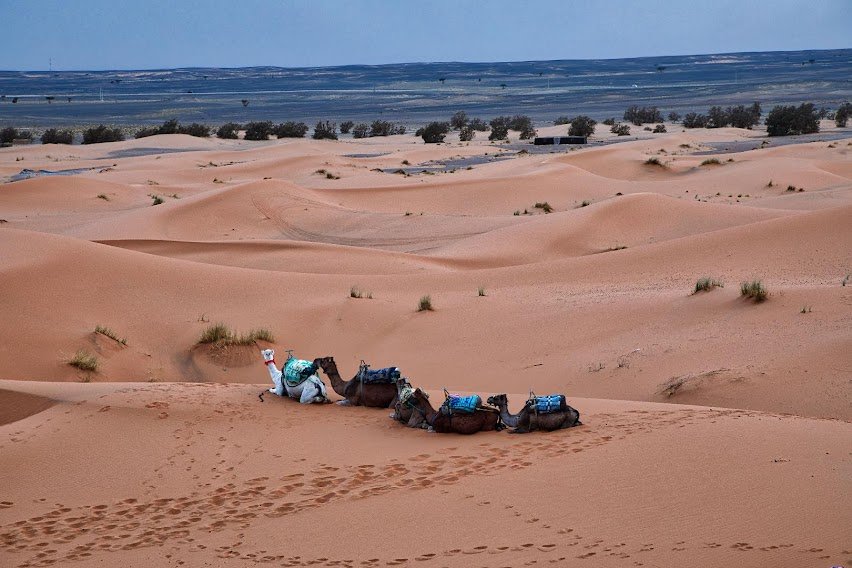
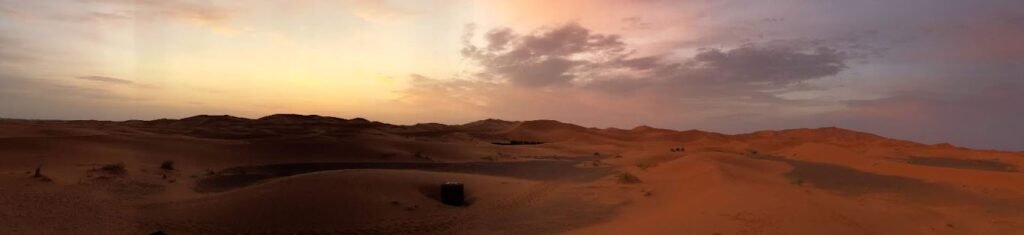
Picture the last hour of daylight on the Erg Chebbi dunes. The sand shifts from pale gold to deep amber to a soft rose, the ridgelines sharpen against the sky, and the whole sea of dunes seems to breathe. That single evening is the reason most travellers make the journey. Everything else in planning a desert trip is about getting you to that moment rested and unhurried.
Desert Tours From Marrakech: Zagora or Merzouga
Both trips leave Marrakech, climb the High Atlas, and drop into the pre-Sahara. After that they part ways, and the choice shapes your whole experience.
Merzouga and the Erg Chebbi dunes
Merzouga is the postcard Sahara. Erg Chebbi is a genuine sea of wind-sculpted dunes, the kind that rise well overhead and glow at dawn and dusk. It is the more dramatic landscape, and for many people it is worth the extra time to reach.
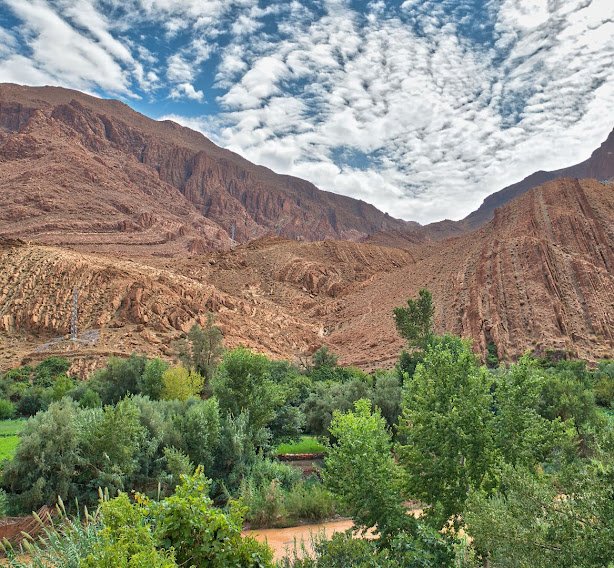
The catch is distance. The standard route from Marrakech to Merzouga runs about 560 km and takes 9-10 hours of actual driving, stretching to 10-13 hours once you add stops, according to a route breakdown from Merzouga Way. That is why a proper Merzouga trip is a three-day, two-night affair, with an overnight in the Dades or Todra area to break up the drive.
Zagora and the Draa Valley
Zagora is the practical choice when time is tight. It sits roughly 350 km from Marrakech, about 6-7 hours of driving without major stops, as Hotel Zagora notes. That distance makes a two-day, one-night trip realistic.
The dunes here are smaller and the scenery leans toward palm-fringed oases and the long green ribbon of the Draa Valley. You still get a camel ride, a night under the stars, and the quiet of the desert. You simply get it faster and with a gentler pace.
A quick way to decide:
- Two days available, first visit, want a real desert night without a marathon drive: choose Zagora.
- Three days available, want the iconic tall dunes and the fullest desert experience: choose Merzouga.
- Travelling with young children or anyone who tires on long drives: Zagora is kinder on everyone.
What the Driving Really Feels Like
Both routes cross the Tizi n’Tichka pass, which tops out around 2,260 metres, the same Merzouga Way breakdown confirms. It is a beautiful stretch of switchbacks through the High Atlas, but it is slow going, and it is the single biggest reason desert days feel long.
Here is what a first day typically looks like on each route.
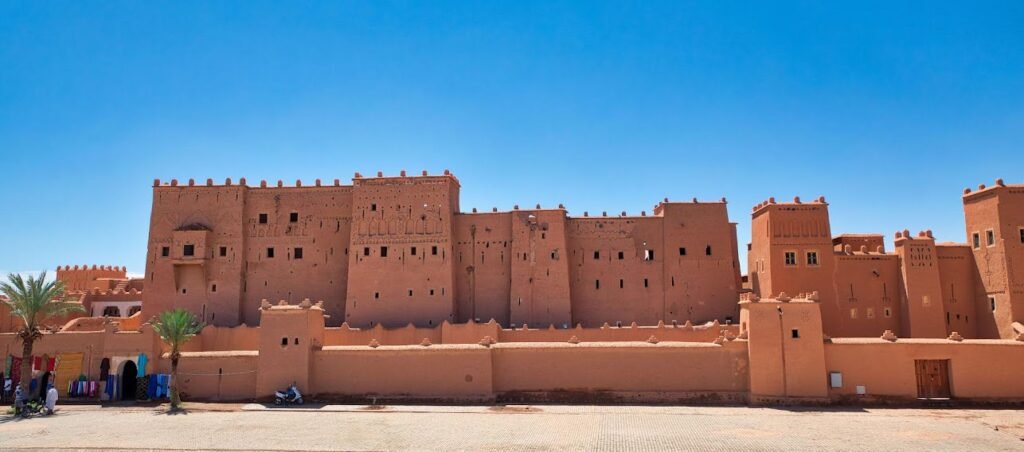
On the way to Merzouga, you leave Marrakech in the morning, cross the Atlas by late morning, and usually pause at Ait Ben Haddou, the UNESCO-listed kasbah, before continuing through Ouarzazate and the Dades or Todra gorges for your first overnight. Day two takes you the rest of the way to the dunes for a late-afternoon camel ride into camp. Day three brings you back, which is a long drive home.
On the way to Zagora, you cover the Atlas and the road to the Draa Valley in a single day, reach the dunes by late afternoon, and ride out to camp for the night. The next morning you return to Marrakech.
The pacing lesson is simple. Beware any operator selling a two-day Merzouga tour. On paper it exists. In practice it means roughly twenty hours in the car across two days, with barely an hour on the dunes. If Merzouga is the goal, give it three days. If you only have two, Zagora will make you far happier.
What a Private Desert Tour Includes
The value of a private tour is that the logistics disappear. You are not herded onto a minibus at dawn or tied to a fixed group timetable. Here is what a well-run private trip covers.
Your driver and vehicle. A licensed local driver who knows the roads, the safe places to stop, and how to time the passes and the light. On our trips the driver is also a first point of contact for questions along the way, from where to find the best mint tea to what that ruined kasbah on the hillside once was.
Stays on the route. For a Merzouga trip, that means a night in a riad or small hotel in the Dades or Todra area, chosen for character rather than convenience. These overnight stops turn a long drive into a proper journey with somewhere lovely to rest.
A comfortable desert camp. Modern private camps are a long way from a thin sleeping bag on the sand. Expect a proper bed, rugs, a private or well-kept shared bathroom depending on the camp, and dinner cooked over the fire, often with local musicians after dark. The camel ride out to camp at sunset and back at sunrise is usually part of the package.
Meals and the small things. Breakfasts, most dinners, bottled water in the car, and the flexibility to stop when something catches your eye. That last point is the quiet luxury of private travel. If the light is perfect at a viewpoint, you stop.
At Morocco Unwind we build each of these elements around your pace and the riads we know and trust, rather than a fixed catalogue. That is the whole point of a tailor-made trip: it fits you, not the other way round.
Best Time to Go and What to Pack
The desert is a place of extremes, so timing matters more here than almost anywhere else in Morocco.
October and November are the sweet spot. In October, daytime temperatures sit around 28-30°C with nights around 15°C, and the autumn light on the dunes is at its warmest, according to a seasonal guide from Marrakech Desert Tours. By November, days cool to around 24-25°C and nights drop toward 10°C. Spring, from March to May, is the other strong window.
Winter, from December to February, brings mild, pleasant days but sharp nights that can reach near freezing by January and sometimes drop below zero. It is still a fine time to go if you pack properly and want quieter dunes.
Summer, June to August, is punishing. Daytime temperatures in the dunes regularly hit 45°C and the sand surface can reach 60°C. We steer travellers away from midsummer desert nights for good reason.
Whatever the season, plan for a big swing between day and night. A short packing list that covers the desert well:
- Warm layers: a fleece or light jacket even in autumn, and a proper coat in winter.
- A scarf, which doubles as sun cover and protection from blowing sand.
- Comfortable closed shoes for the dunes, plus sandals for camp.
- High-factor sunscreen, sunglasses and a hat.
- A small torch or headlamp for moving around camp after dark.
- A light daypack for the camel ride, since your main luggage usually stays in the vehicle.
Bring less than you think for clothes and more than you think for warmth. That single adjustment is what separates a comfortable desert night from a cold, restless one.
Start Planning Your Sahara Trip
The right desert tour is the one that matches your days, your pace and the kind of night you want under the stars. Whether that is a gentle two-day escape to Zagora or the full three-day journey to the great dunes of Erg Chebbi, the details are worth getting right the first time.
If you would like a route mapped to your dates, your travellers and the riads you would actually enjoy, tell us how many days you have and what draws you to the desert. We will sketch a bespoke itinerary from there, and you can shape it until it feels like yours.
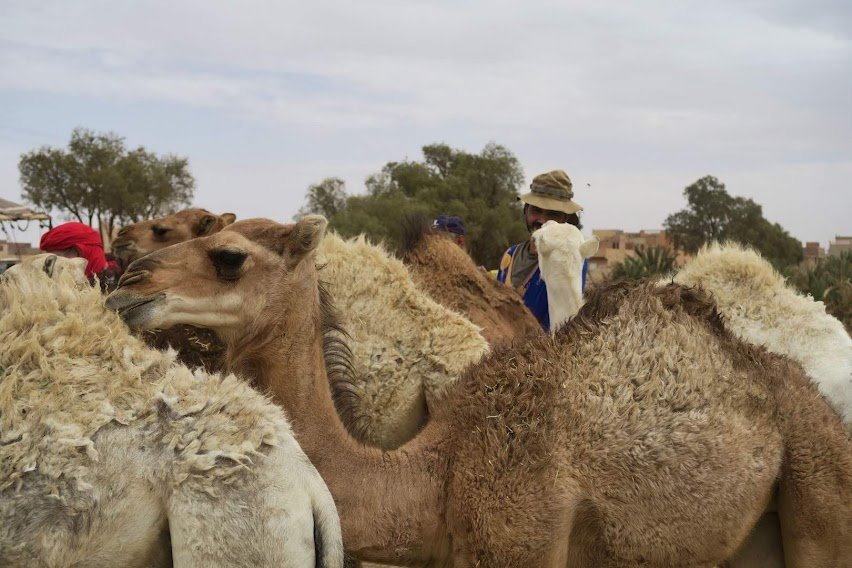
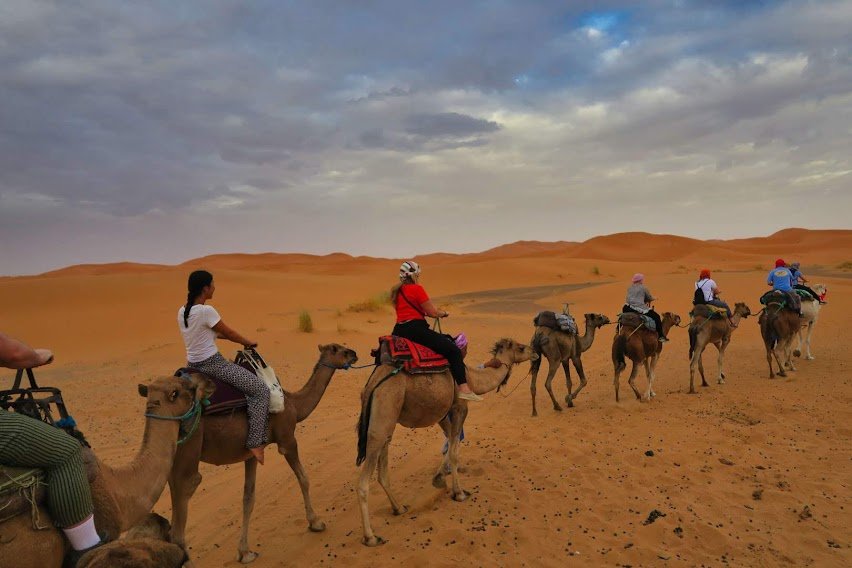
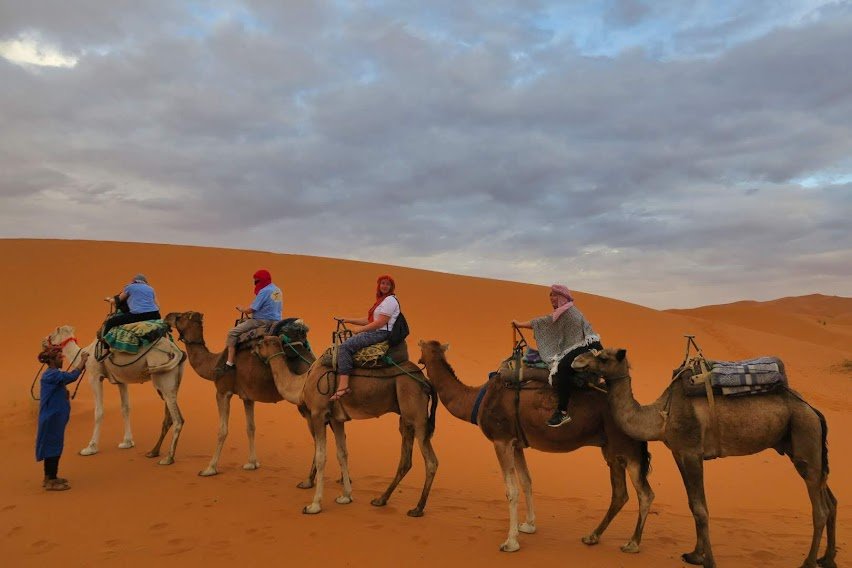
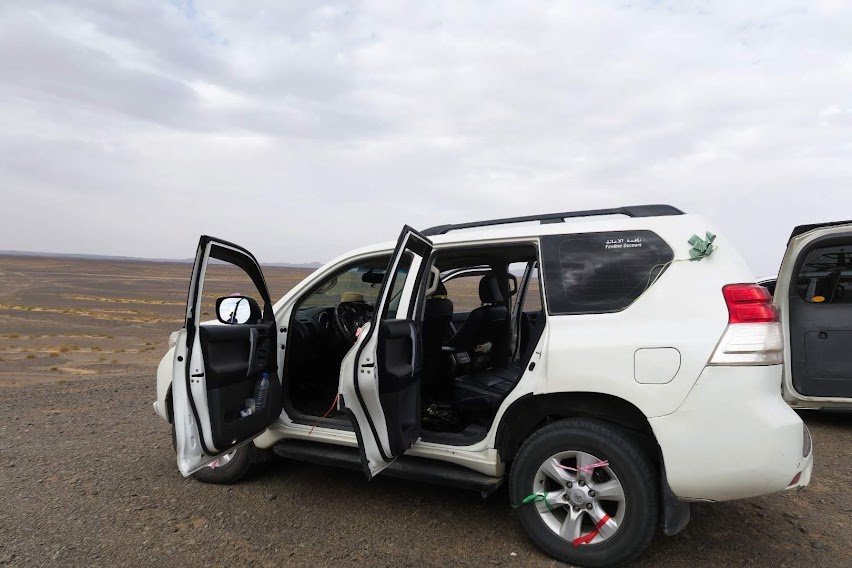
A two-day trip suits Zagora, which is around 350 km and 6-7 hours away. For Merzouga and the tall Erg Chebbi dunes, plan three days, because a two-day version means most of your time is spent in the car.
Zagora is closer and quicker to reach, with smaller dunes and the palm groves of the Draa Valley. Merzouga is further but rewards you with Erg Chebbi, Morocco’s classic golden dune sea.
October and November are ideal, with daytime temperatures around 28-30°C in October and clear night skies. Spring is also good, while summer is very hot and winter nights can drop near freezing.
Bring warm layers, a scarf for wind and sand, comfortable closed shoes, sunscreen, and a small torch. Nights cool down fast, so a fleece or jacket is useful even outside winter.
Yes. A private tour typically covers your driver and vehicle, riad or hotel stays on the route, and a night in a desert camp with meals, so the logistics are handled for you.